Explore Agave Varieties
Below are the agave varieties we currently grow and evaluate in California. Scroll through to learn more about their characteristics and growing requirements.
-
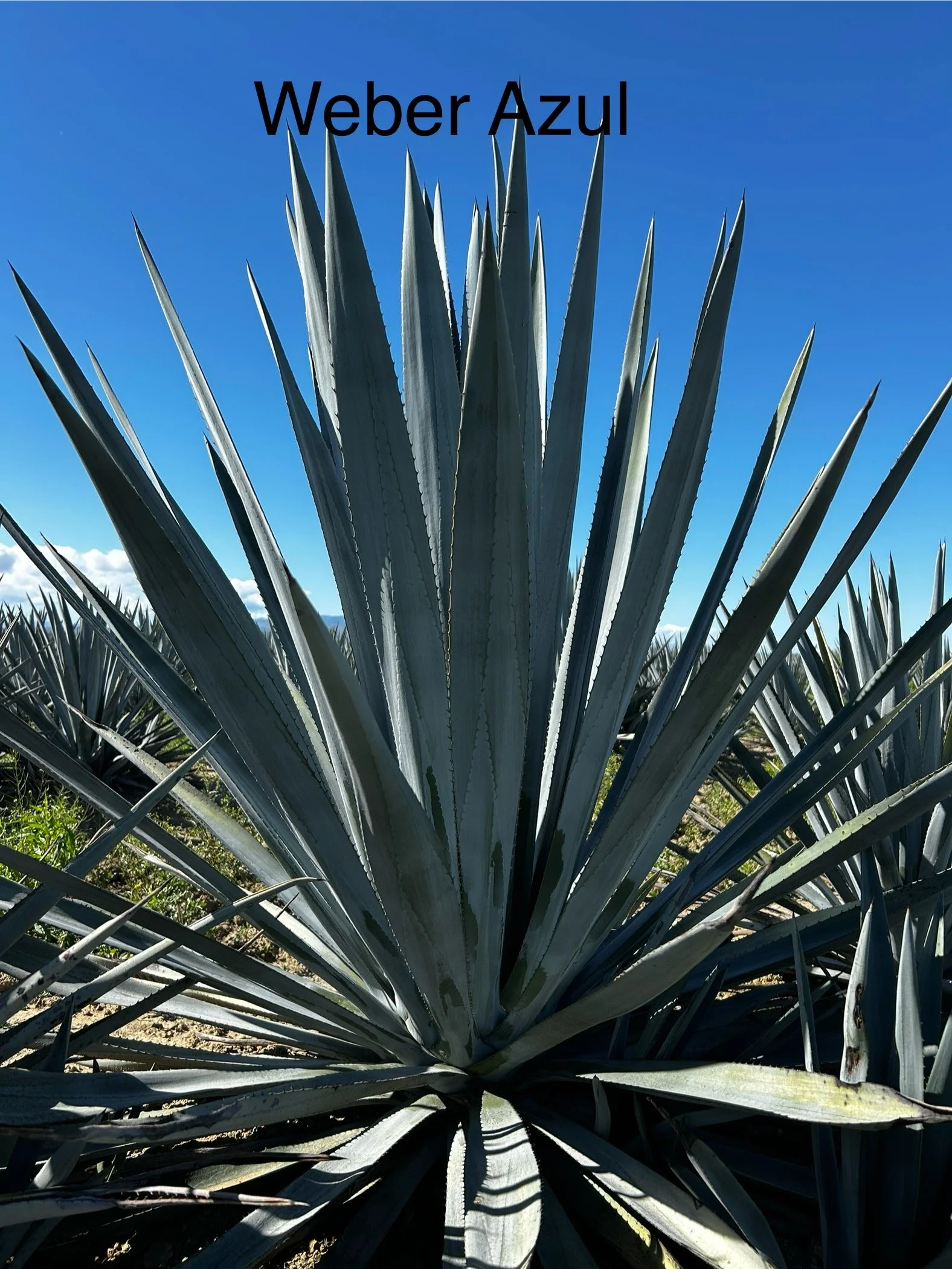
WEBER AZUL (Blue Agave)
Agave tequilana
Overview
Weber azul, commonly known as Blue Agave, is the exclusive agave used for tequila production in Mexico. It is one of the most widely cultivated agave varieties due to its strong sugar production and relatively consistent maturation.
Field Performance
This variety prefers hot, dry climates and can be sensitive to hard frosts. In our plantings in western Fresno County, plants occasionally show tip burn and leaf curling during cold events. However, we have observed no plant mortality from temperatures in the mid-20°F range.
Harvest Characteristics
In Mexico, Weber azul typically matures in 7–8 years under dry-farmed conditions. In California’s hotter climate with drip irrigation, we expect plants to mature in approximately 5–6 years and potentially reach larger sizes with higher sugar concentrations.
Quick Facts
Maturity: ~5–6 years (CA)
Spacing: 11–12 ft rows × ~4 ft plants
Plants per acre: ~900–1,000
Piña weight: 100–150 lbs typical
Clones: Yes (hijuelos)
Water use: ~3 inches/ac/year -
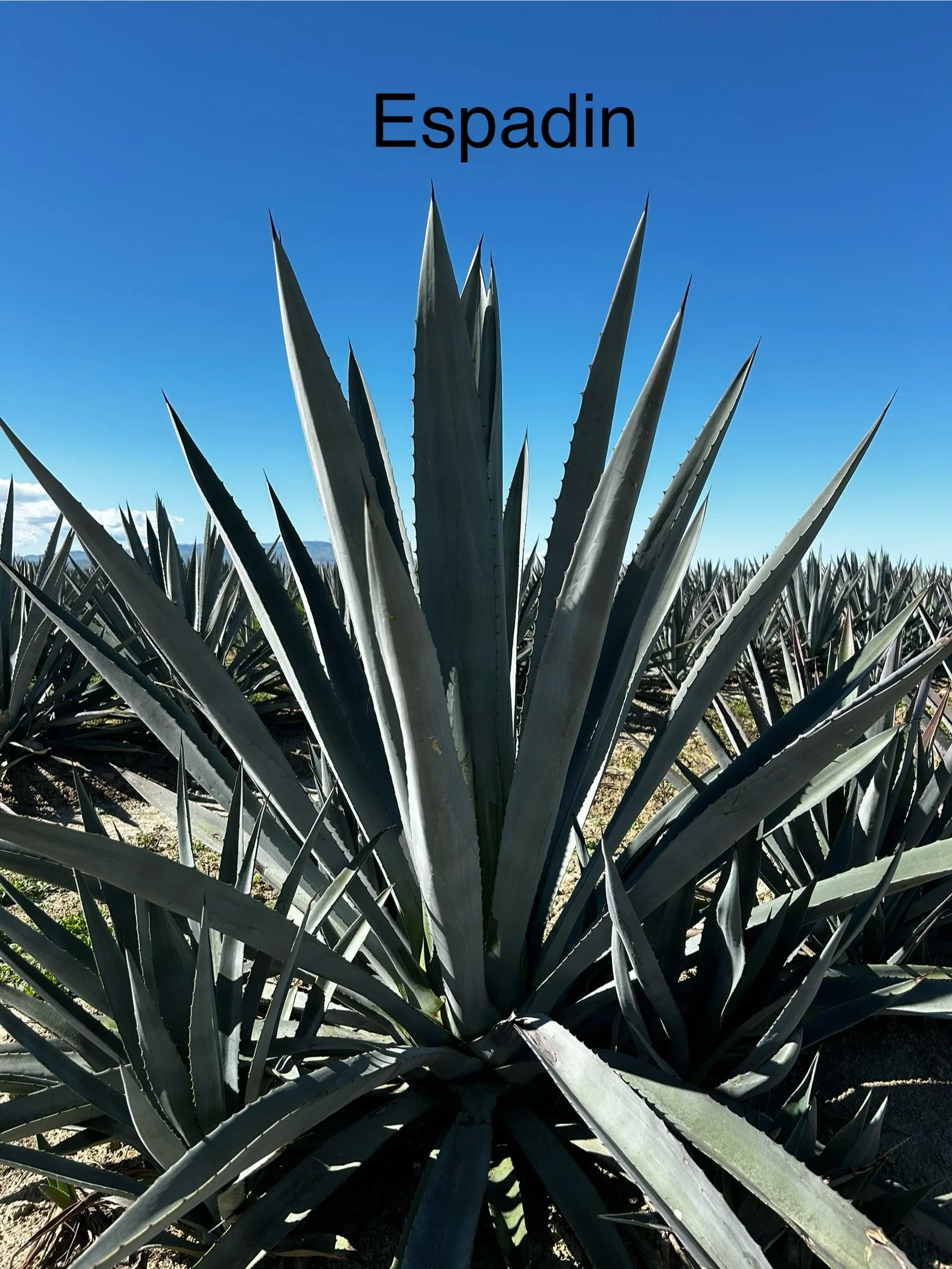
ESPADÍN
Agave angustifolia
Overview
Espadín is the most widely used agave for mezcal production and is estimated to account for roughly 75–80% of mezcal produced in Mexico.
Field Performance
In our fields, espadín grows similarly to Weber azul in terms of spacing, water use, and general management. The plants tend to be a lighter green color and have longer, thinner spines at the tips of their leaves.
Harvest Characteristics
Espadín produces hijuelos (clones) after several years, allowing growers to expand plantings naturally. Under California growing conditions, we expect plants to mature on a timeline similar to Weber azul.
Quick Facts
Maturity: ~5–6 years
Spacing: 11–12 ft rows × ~4 ft plants
Plants per acre: ~900–1,000
Piña weight: ~100–150 lbs
Clones: Yes
Primary use: Mezcal -
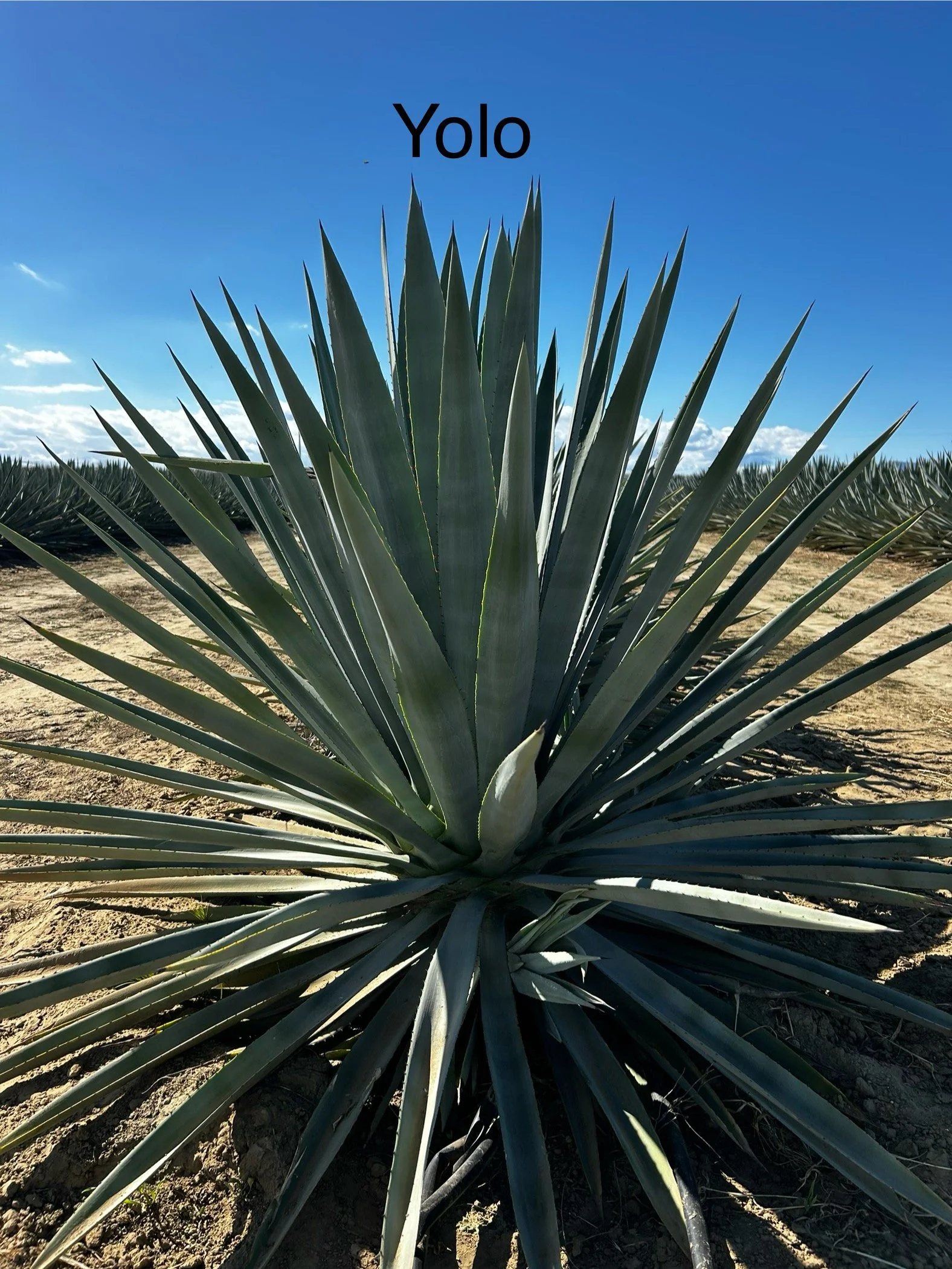
AGAVE YOLO
Believed hybrid: Agave tequilana × Agave angustifolia
Overview
Yolo agave is a California selection believed to be a hybrid between Weber azul and espadín. The plant was first propagated in Yolo County and has gained attention among growers for its strong growth and adaptability.
Field Performance
In our Central Valley plantings, Yolo agave has shown vigorous growth and good tolerance to both heat and occasional winter frosts. The plants appear slightly more resilient than Weber azul while maintaining a similar structure.
Harvest Characteristics
Yolo produces hijuelos (clones), allowing growers to expand plantings easily. Early observations suggest the plants may mature on a timeline similar to Weber azul, though more field data will be collected as plantings mature.
Quick Facts
Maturity: ~5–6 years (estimated)
Spacing: Similar to Weber azul
Plants per acre: ~900–1,000
Clones: Yes
Notes: Hybrid vigor observed
-
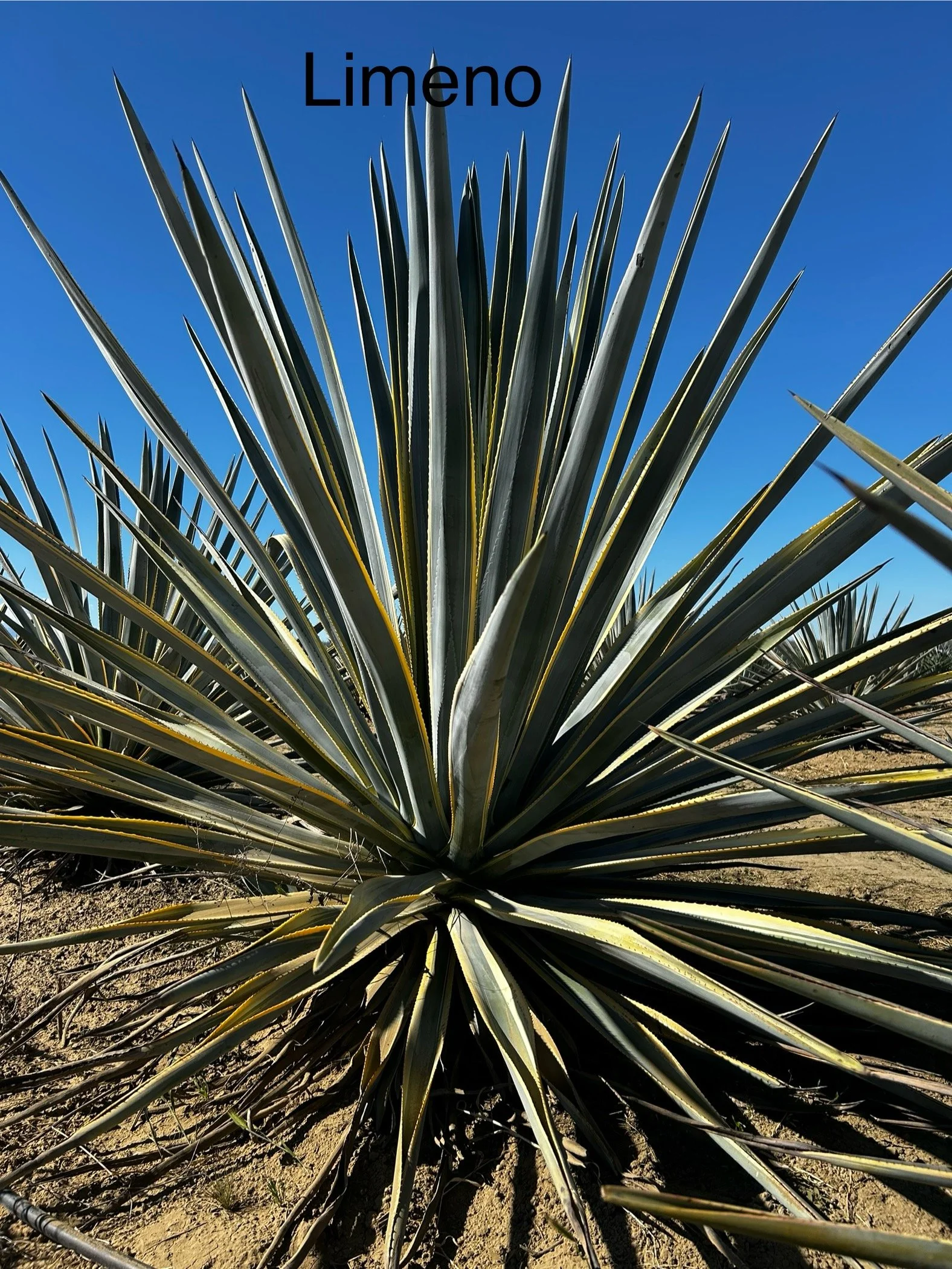
LEMEÑO
Likely related to Agave tequilana
Overview
Lemeño appears to be a hybrid related to Weber azul. We planted it using the same spacing and growing practices to evaluate its performance in California.
Field Performance
After several years in the field, lemeño plants appear slightly smaller than Weber azul but noticeably more frost tolerant. During winter cold events we observe less leaf burn compared to nearby Weber plantings.
Harvest Characteristics
Lemeño produces hijuelos (clones) and appears likely to mature on a timeline similar to Weber azul, though the piñas may be somewhat smaller at harvest.
Quick Facts
Maturity: ~5–6 years (estimated)
Spacing: Similar to Weber azul
Piña weight: Slightly smaller than Weber
Clones: Yes
Notable trait: Improved frost tolerance -
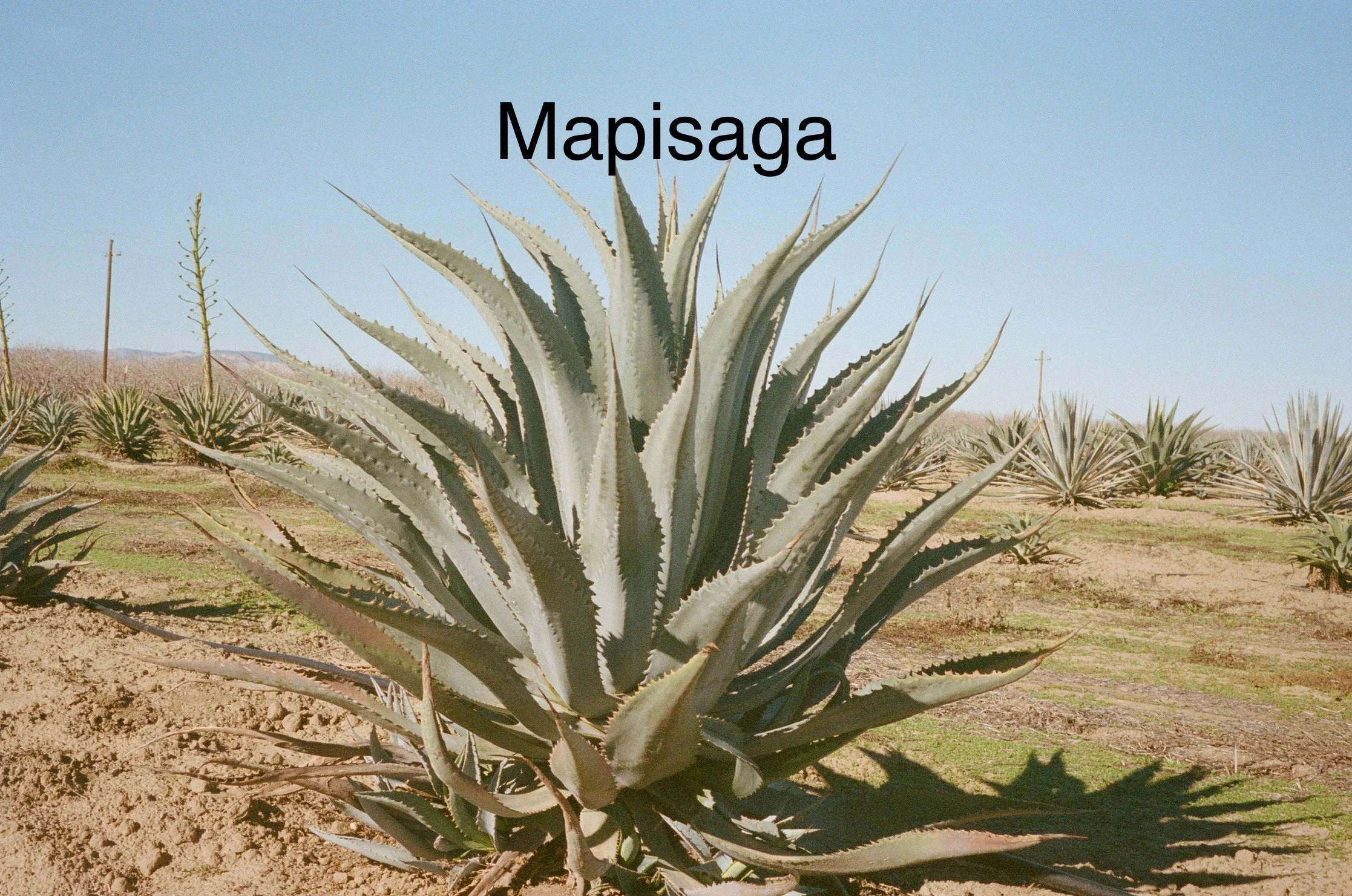
MAPISAGA
Agave mapisaga var. mapisaga
Overview
Mapisaga is a large agave species traditionally associated with pulque production in Mexico but increasingly explored for distilled spirits.
Field Performance
Among the varieties we have planted, mapisaga is the most prolific producer of pups (hijuelos), often beginning in the first year. Plants appear moderately hardy and adaptable to Central Valley growing conditions.
Harvest Characteristics
This sub-variety does not appear to grow as large as the Mapisaga Lisa type we have observed elsewhere, but it still produces substantial plants and should be spaced similarly to Weber azul.
Quick Facts
Maturity: ~8–10 years (estimated)
Spacing: 11–12 ft rows × ~4 ft plants
Clones: Very prolific
Piña weight: ~85–200+ lbs -
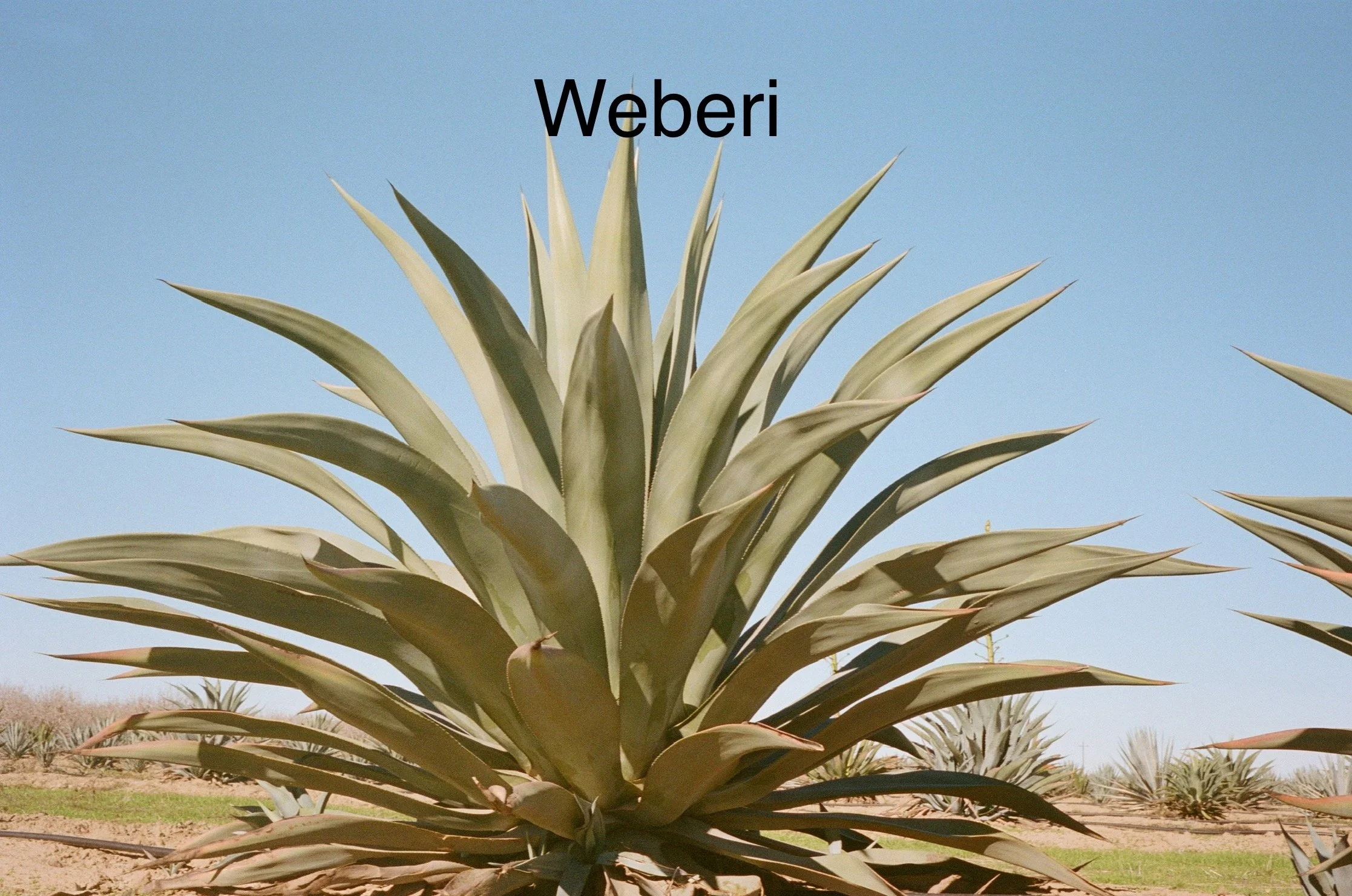
WEBERI
Agave weberi
Overview
Weberi is a hardy agave species known for its ability to tolerate both high heat and colder temperatures.
Field Performance
These plants grow significantly larger than Weber azul or espadín. In our fields they perform well with minimal water inputs and appear well suited to California conditions.
Harvest Characteristics
Weberi plants are spaced farther apart due to their size. Mature piñas can exceed 400 pounds.
Quick Facts
Maturity: ~10–12 years
Spacing: 11 ft rows × 6–7 ft plants
Plants per acre: ~650
Piña weight: 400+ lbs
Clones: Yes -
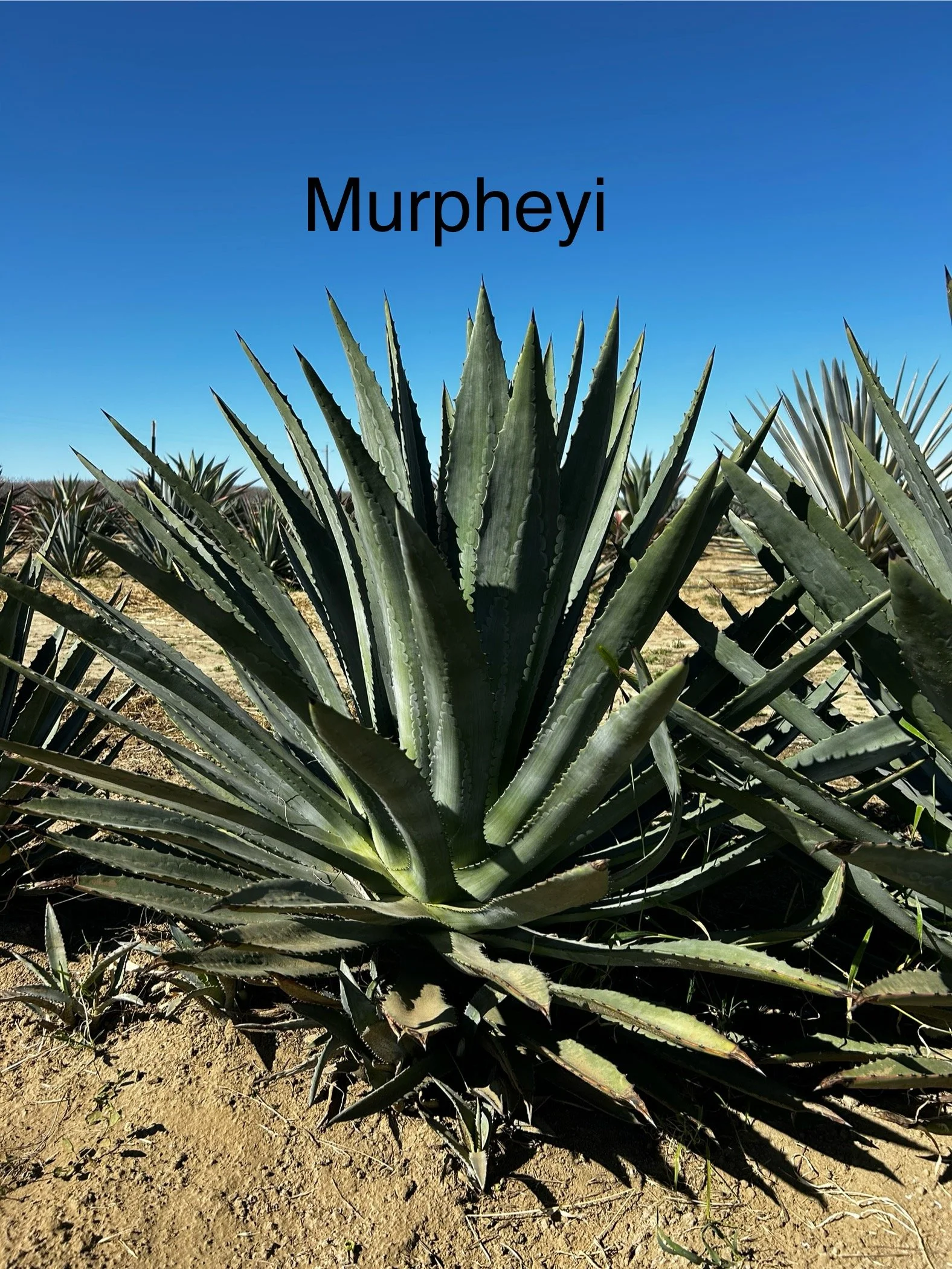
MURPHEYI
Agave murpheyi
Overview
Murpheyi is native to central Arizona and northern Sonora and is known for its ability to withstand drought and cold temperatures.
Field Performance
In our plantings, murpheyi shows little stress from low water availability or winter cold. Plants begin producing clones after 2–3 years.
Harvest Characteristics
This species grows relatively slowly but can be planted at higher densities due to its smaller size.
Quick Facts
Maturity: ~10–12 years
Spacing: ~2–2.5 ft plants on 80-inch beds
Plants per acre: ~2,900
Clones: Yes -

TOBALÁ
Agave potatorum
Overview
Tobalá is a small agave native to Mexico and traditionally associated with high-end mezcal production.
Field Performance
Plants grow slowly and do not produce clones, meaning they are typically propagated from seed.
Harvest Characteristics
Mature piñas are relatively small but valued for the distinctive flavor they contribute to spirits.
Quick Facts
Maturity: ~12–15+ years
Spacing: ~2–3 ft plants
Plants per acre: ~5,000
Piña weight: ~50–60 lbs
Clones: No -
MEXICANO
Agave rhodacantha
Overview
Mexicano is a hardy agave species capable of tolerating both high heat and cooler temperatures.
Field Performance
This species adapts well to a range of climates and has historically been used in mezcal production.
Quick Facts
Maturity: ~10–12 years (estimated)
Clones: Yes -

DESERTI
Agave deserti var. simplex
Overview
Desert agave is native to Southern California and northern Baja and is highly adapted to arid climates.
Field Performance
Plants are extremely drought tolerant and can withstand temperatures as low as 10°F. They typically grow in higher elevation desert environments.
Harvest Characteristics
Desert agave does not produce clones and is generally propagated from seed.
Quick Facts
Maturity: ~12–15 years
Spacing: ~1.5–2 ft plants on 40-inch beds
Clones: No -
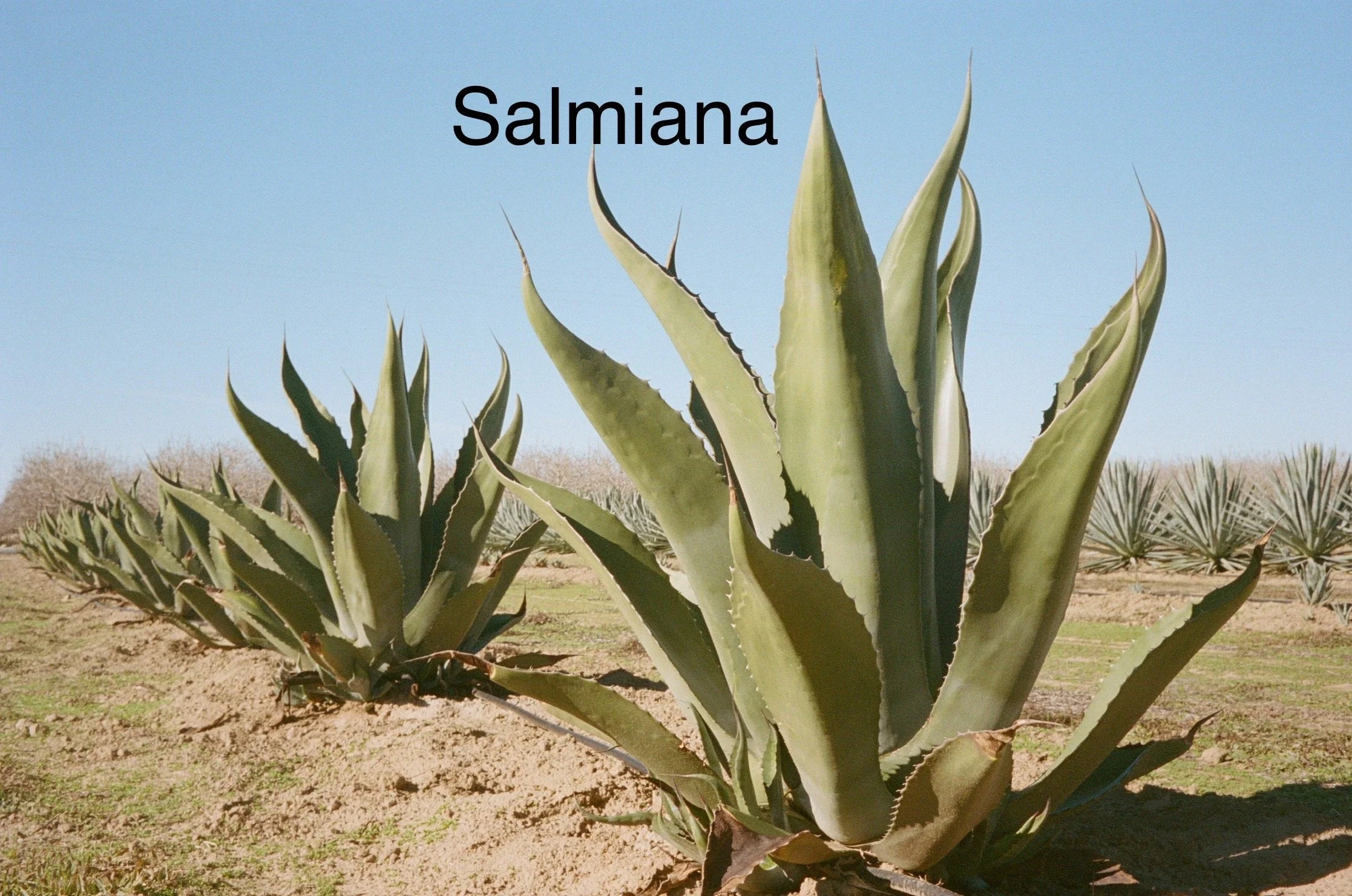
SALMIANA
Agave salmiana (Pulque Agave)
Overview
Salmiana is a very large agave species traditionally used for pulque production.
Field Performance
Plants are extremely large and heavily armored with spines. They perform best in full sun with well-drained soils.
Harvest Characteristics
Mature plants can produce very large piñas.
Quick Facts
Maturity: ~15–25 years
Spacing: 11–12 ft rows × 6–7 ft plants
Piña weight: 500+ lbs
Clones: Yes -
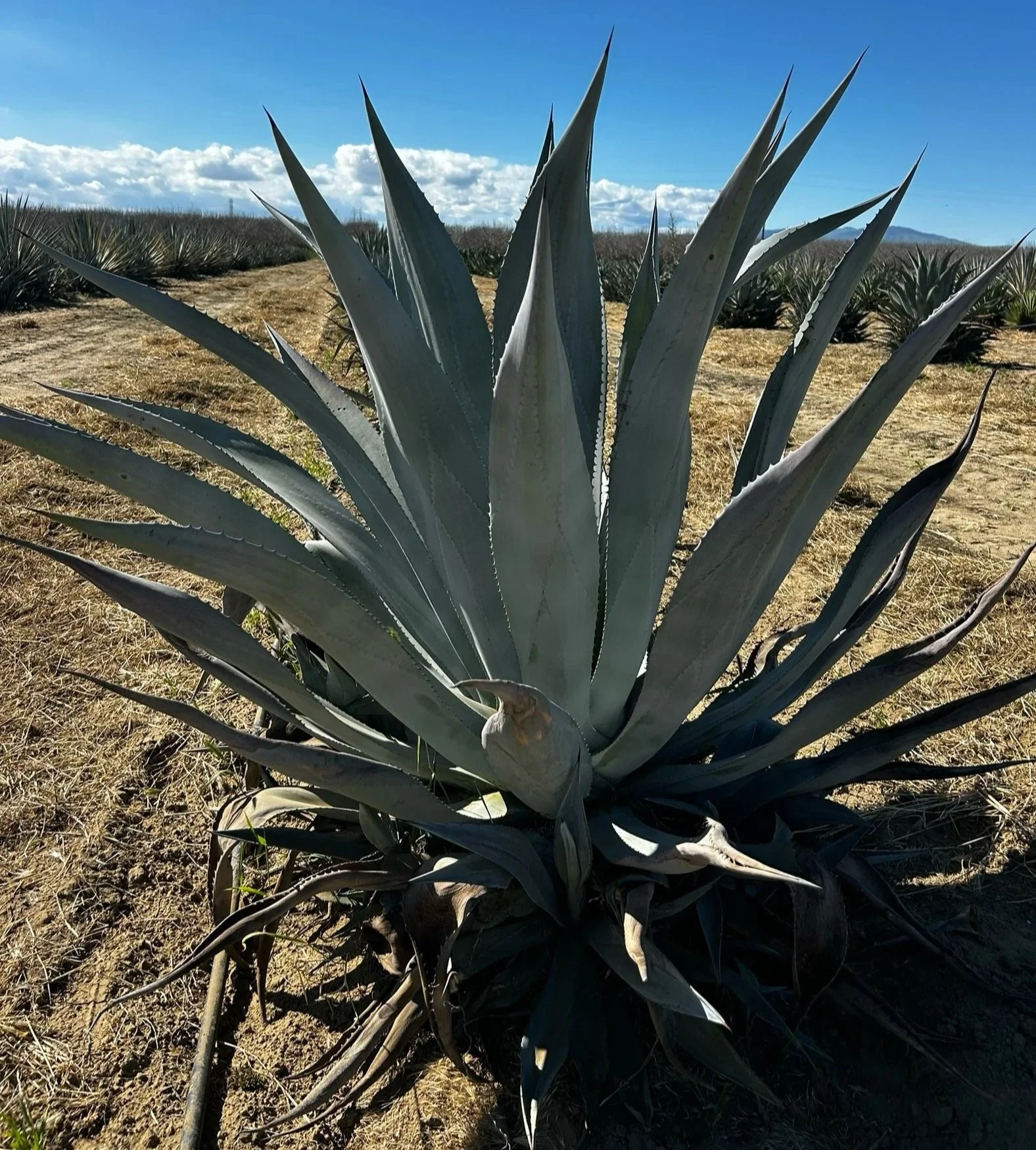
OAXACENSIS
Agave americana var. oaxacensis
Overview
This variety of Agave americana forms very large plants and is known for its hardiness.
Field Performance
Plants are both drought and frost tolerant and produce numerous clones.
Quick Facts
Maturity: ~15–20 years
Spacing: 11–12 ft rows × 6–7 ft plants
Plants per acre: ~550
Clones: Yes -
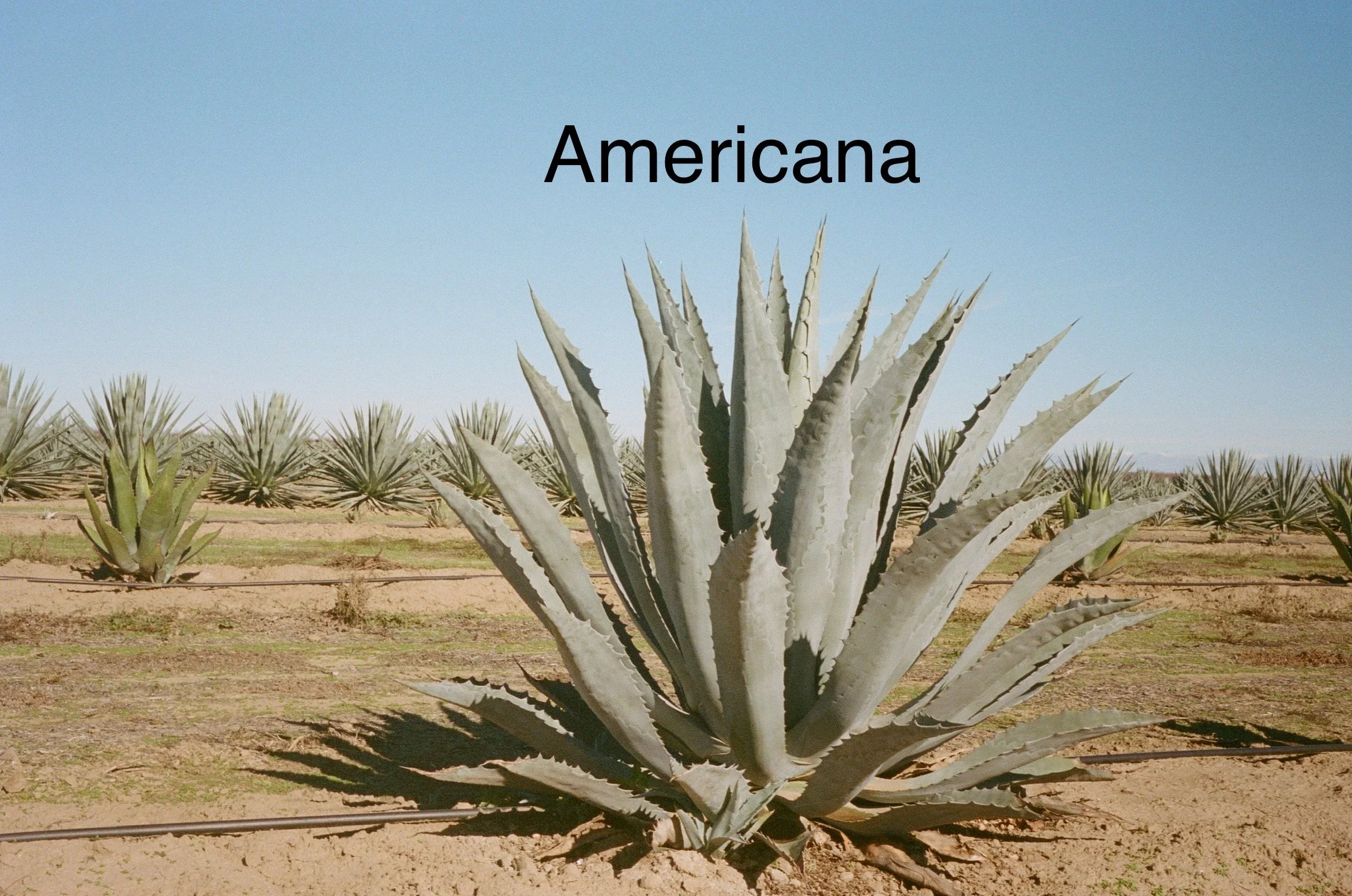
AMERICANA
Century Plant
Overview
The Century Plant is one of the most recognizable agave species and is widely adapted to many climates.
Field Performance
Plants grow extremely large and tolerate both drought and cold temperatures.
Quick Facts
Maturity: ~15–20 years
Spacing: 11–12 ft rows × 6–7 ft plants
Plants per acre: ~550
Clones: Yes -
KARWINSKII
(cuixe, barril, cirial)
Overview
Karwinskii is a tall, upright agave species commonly used for traditional mezcal production.
Field Performance
The plant resembles a yucca and grows vertically rather than spreading wide.
Harvest Characteristics
The piña forms a long, log-shaped core.
Quick Facts
Maturity: ~10–12 years
Spacing: ~3–4 ft plants on 80-inch beds
Plants per acre: ~1,800
Clones: Yes